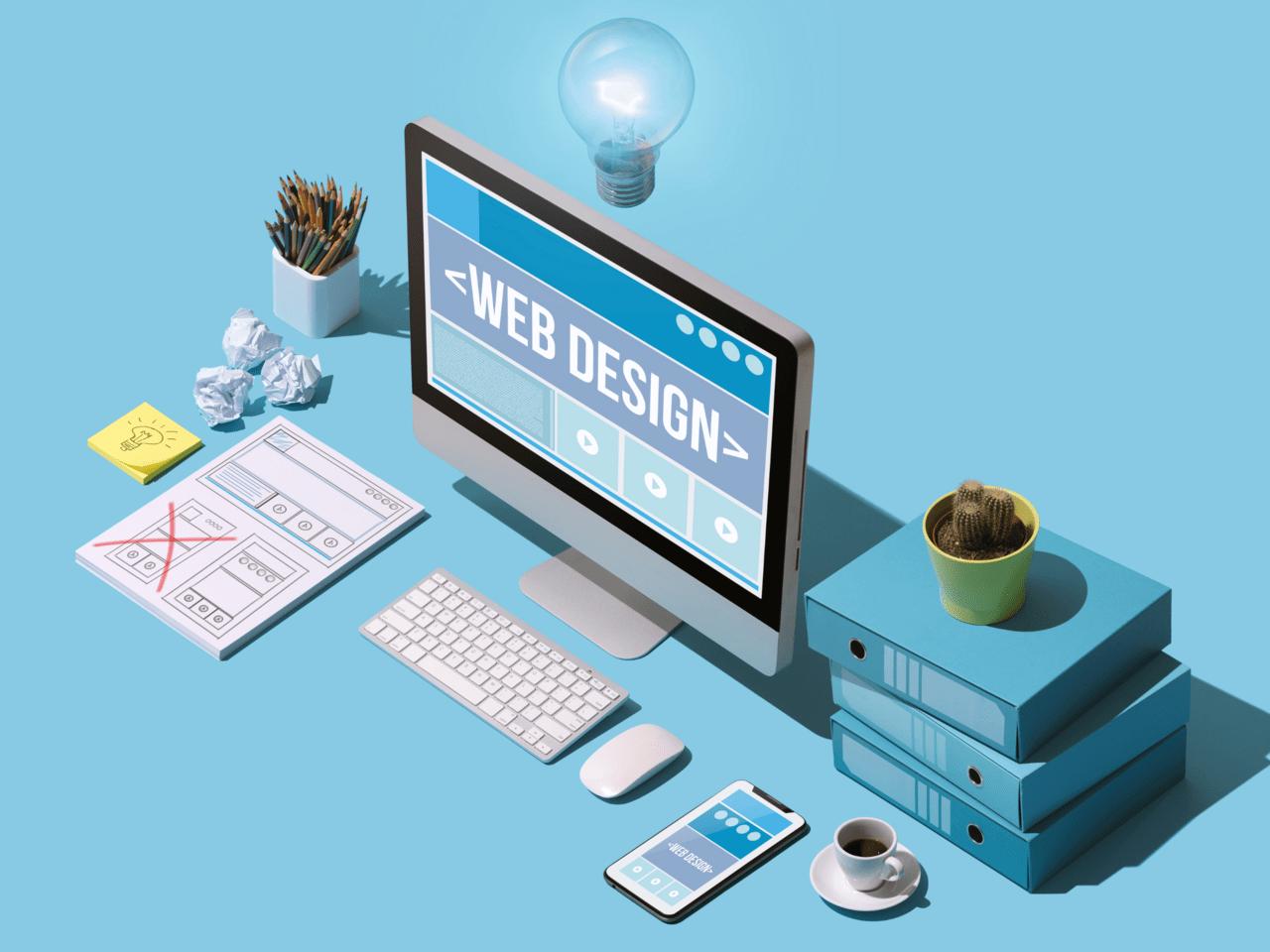
In the ever-evolving landscape of the internet, where aesthetics and functionality dance in a delicate balance, web design is a realm that constantly reinvents itself. Gone are the days when flat design dominated the screen with its minimalistic charm and clean lines. As user preferences shift and technology advances at lightning speed, new design trends are bubbling to the surface, ready to captivate both creators and consumers alike. In this exploration of the future of web design, we will delve into the reasons behind the waning popularity of flat design and uncover the fresh, innovative trends that are shaping a more immersive and interactive online experience. Join us as we navigate this dynamic territory, where creativity knows no bounds and the digital horizon is limitless.

Emerging Aesthetics: The Shift from Flat Design to Dynamic Interfaces
The transition from flat design towards more dynamic interfaces marks a pivotal moment in web aesthetics. Designers are increasingly favoring three-dimensional elements, layering, and spatial depth, breathing life into interfaces that were once stagnant.This shift resonates with users’ expectations for more engaging interactions, where tactile feedback, microanimations, and responsive elements create a sense of immersion. Key components of this transition include:
- Subtle shadows and gradients: Adding depth to elements,guiding user attention.
- Microinteractions: Response triggers that provide feedback, enhance usability, and enrich the overall experience.
- Fluid transitions: Smooth animations that create continuity and coherence in navigation.
These dynamic designs not only cater to aesthetic trends but also significantly improve functionality and user engagement. Users are drawn to visually stimulating websites that encourage exploration, ultimately leading to increased conversion rates. With AI-optimized layouts reducing bounce rates by over 30%, the importance of integrating dynamic design trends cannot be overstated. Every detail contributes to a harmonious user experience where brand storytelling thrives,enhancing brand identity and engagement. In this era of rapid technological advancement, staying ahead with cutting-edge design solutions is crucial for maintaining competitive advantage.
Explore these cutting-edge solutions at webthangs.pro for more details!

user Experience Revolution: Prioritizing Interactivity and Engagement
The digital landscape is rapidly evolving, and with it comes a new paradigm that places a premium on user interactivity and engagement. Gone are the days when users simply read static content; today’s audiences crave immersive experiences that invite participation. the integration of dynamic elements—ranging from interactive infographics to gamified content—has become essential for keeping visitors on a site longer and encouraging deliberate interactions. By employing techniques such as micro-interactions, personalized content, and live chat features, designers can create a more engaging surroundings that resonates with users on multiple levels.
Moreover, embracing responsive design is crucial in this era, especially with the surge in mobile device usage. Adaptive layouts are no longer merely convenience features; they are critical in providing seamless user experiences. Utilizing tools like AI-optimized layouts can enhance website performance, minimizing bounce rates significantly. Incorporating lead capture systems not only facilitates better customer engagement but also transforms websites into effective sales tools, capable of generating leads even while the owner is away. Explore these cutting-edge solutions at webthangs.pro for more details! Integrating these elements positions a website not just as an online presence but as an active participant in driving user interaction and engagement.

Color Palettes and Typography: Evolution Beyond Minimalism
The shift from minimalism in web design opens up a spectrum of possibilities in color palettes and typography, breathing life into digital interfaces. Rich, vibrant hues are reclaiming their place, where mixed palettes create emotional connections and enhance user experiences. The trend is moving towards bold combinations—think jewel tones paired with softer pastels—allowing designers to express unique brand identities while ensuring accessibility. This evolution encourages a daring approach to typography as well, embracing varied typefaces that convey personality, allure, and clarity. Conventional web-safe fonts are being set aside in favor of custom fonts that resonate with brand values and speak directly to target audiences.
as personalization becomes paramount, the integration of typography within color schemes emphasizes storytelling through design. large, eye-catching headers set against dynamic backgrounds draw attention, holding visitors on pages longer—one key factor in reducing bounce rates. With innovation at the forefront, designers can leverage these vibrant color and type combinations to enhance engagement. Additionally, understanding the psychology behind color choices fosters deeper connections and guides user decisions effectively.Each design choice not only serves to beautify but is strategically aligned to drive conversions, cultivating an experience that feels intuitive and cohesive.
Explore these cutting-edge solutions at webthangs.pro for more details!
Breaking Boundaries: Embracing 3D Elements and Immersive Experiences
The evolution of web design is steering away from flat aesthetics towards a realm where 3D elements and immersive experiences take center stage. This shift not only enhances visual appeal but also significantly engages users, creating a more interactive atmosphere. The integration of layered textures, shadows, and dynamic animations draws visitors deeper into the content, making every click feel like part of a journey rather than a simple transition. Websites can now boast of stunning, life-like graphics that transform traditional static interfaces into dimensions of visual storytelling.
Moreover, the advent of technologies such as virtual reality (VR) and augmented reality (AR) is redefining user interaction. Imagine browsing a furniture store online and visualizing how that sleek sofa would look in your own living room through AR before making a purchase decision. By embracing a more tactile approach to web design, businesses can create memorable experiences that resonate deeply with users. Explore these cutting-edge solutions at webthangs.pro for more details! In a world increasingly driven by visuals and engagement, leveraging these trends will establish a competitive edge that flat design simply cannot offer.
Key takeaways
In the ever-evolving landscape of web design, what once was groundbreaking can quickly become dated.As we stand on the brink of a new era, it’s clear that the shift away from flat design is not merely a trend but a reflection of our deeper desire for connection, engagement, and functionality. Embracing the fusion of vibrant aesthetics with intuitive user experiences, designers are not just responding to the demands of the digital age; they are shaping it.
As we look ahead, we invite you to stay curious and open-minded. The future of web design promises a playground for creativity, where innovation and user needs intersect seamlessly. from immersive animations to bold typography, the canvas is limitless. Whether you’re a designer, developer, or simply an admirer of digital art, there’s no better time to explore, experiment, and adapt to the changes on the horizon.
So, as we bid farewell to flat design, let’s welcome a dynamic blend of inspirations that redefine our digital interactions. After all, in the world of web design, the only constant is change; and it’s this very change that lights the path toward a more engaging and visually captivating web. Now, more than ever, the future is not just an endpoint—it’s an exciting journey waiting to unfold. Happy designing!